Clay carving shows a notable field form with a lengthy heritage, stretching back myriad of periods. From ancient vessels to recent showcases, the medium offers incomparable possibilities for creative presentation. Artists work with several techniques – including constructing, wheel casting, and enhanced firing processes – to shape humble terracotta into pleasing three-dimensional pieces. The resilience of fired stoneware also contributes to its status as a truly noteworthy part of human society.
Investigating Earthenware Shield Layouts and Ways
The world of ceramic plaque design offers a wide array of innovative possibilities. Creators often apply a integration of ancestral and innovative techniques to develop visually striking pieces. These can range from simple, sculpted reliefs to complex, multi-layered arrangements. Frequently used methods include form mold, manual molding, glaze application – which can involve various styles like sub-glaze artwork, final glaze adornment, and scraped artwork where designs are made visible by excavating a layer of shell. Extended research into decorative coatings such as quick baking and gloss finish can generate truly one-of-a-kind and individualized pottery boards.
- Mold Fabrication - Generating pieces using a cast
- Manual Fabrication - Carefully molding the earth
- Glaze Application - Finishing the overlay with a glassy finish
- Scratched design - Making visible designs by stripping overlays
Engaging Experiences: Brick Art Arrangements
The expanding landscape of art presents exciting modern avenues for spectators, and ceramic art installations are at the leading edge of this development. These aren't just static works; they are crafted to envelop the guest in a sensory ambiance. Imagine stepping into a forest of towering, embellished ceramic trees, or navigating a tangle of fragile ceramic vessels. Many sculptors are now incorporating sonics, luminescence, and even odor to enhance the sensation of their work. Visualize the power of a room filled with hundreds of carefully ceramic artifacts, each telling a chronicle. Often, such installations analyze themes of the earth, heritage, and the individual.
- These particular installations blur the limits between sculpture and building.
- Experiencing a ceramic art installation can be a deeply moving journey.
- Artists are redefining the limits of what is feasible with clay.
The Charm of the Ceramic Jar: Function and Structure
The brick container represents a impressive combination of efficiency and stylish appeal. Historically, these receptacles served a rudimentary role in supporting objects, but their development has transformed them into highly valued works of creation. Each element showcases the expertise of the maker, demonstrating how contour can be as significant as role. The exact shaping, the unique glazes, and the complete presence of a artfully-produced vase can enhance a space, offering both appeal and a gentle reminder of the artistic hand.
Present-day Terracotta Model : Pushing Horizons
Up-to-date terracotta model represents a fascinating shift from historical practices. Designers are dynamically advancing with cutting-edge techniques, questioning the boundaries between artwork and distinct aesthetic categories. From immense installations to ornate miniature pieces, these works explore themes of culture while concurrently revolutionizing the nature of what earthenware can become. The effect is a energetic domain of originative performance.
Terracotta Sign: Guarding Legacy in Porcelain
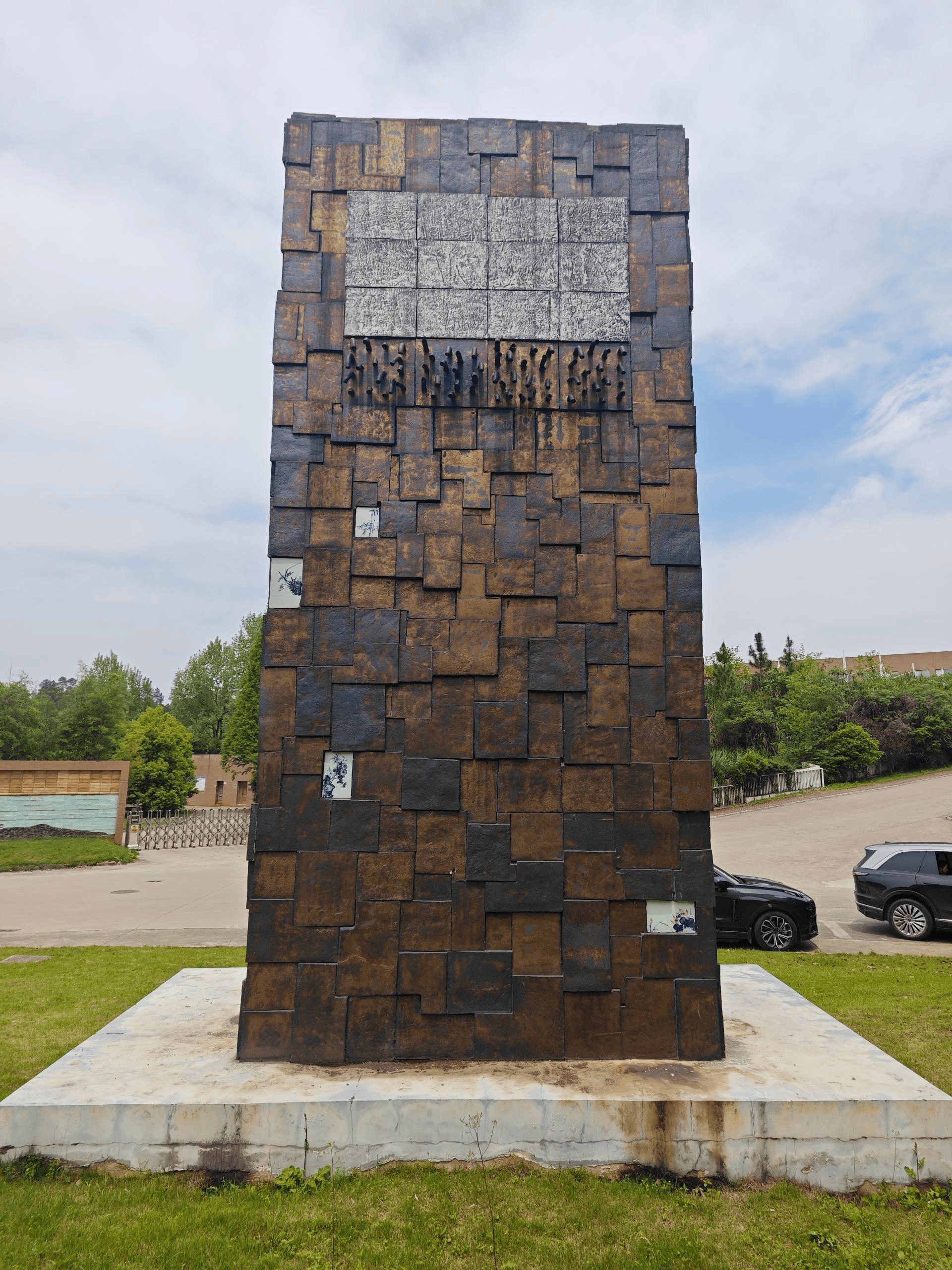
Stoneware plaques offer a special method for registering significant events and persons. Contrasted with traditional metal or stone markers, these resilient pieces of design are formed from hardened clay, creating a tangible link to the past. Typically, they highlight intricate bas-reliefs or delicately designed imagery, expressing stories that might otherwise be ignored. Such technique, originating in ancient civilizations, provides a striking and ceramic art installation timeless way to recognize our collective history.
- These can be placed in general spaces.
- A multitude of are now viewed historical treasures.
Ceramic Art Presentations: Remodeling Locations
Pottery art installations are flourishing a potent medium for designers to reimagine public and private sites. These immersive creations frequently involve expansive clay designs that hold viewers, modifying their insight of the fabricated environment. By utilizing diverse systems like artisanal crafting and elaborate firing ways, ceramic artists fabricate truly unique experiences, removing the lines between form and environment. The effectiveness is often a emotional transformation that improves the visual quality of the venue and inspires discussion.
Origin Lathe to Beauty: The Trade of the Earthenware Receptacle
The journey of a earthenware holder from a simple lump of earth to a perfected work of craft is a testament to human talent. Traditionally, the process launches with the potter’s wheel, where the adept artisan creates the spinning dirt into a cylindrical form. This primary component demands accuracy and a attuned eye, followed by a delicate drying period. Once partially baked, the jar is ready for detail work, which may feature illustrating intricate patterns, etching detailed illustrations, or applying a selection of layers. The definitive baking process then modifies the product into a durable and beautiful container, a tangible expression of the builder's vision.
Pottery with Stoneware: A Course to Brick Craft
Entering the field of terracotta production begins with understanding the essentials of carving with stoneware. A practice involves methodically assembling and carving elements to produce three-dimensional structures. If you're a beginner or a seasoned maker, trying with assorted varieties of pottery – particularly ceramic – will support you explore your original signature. At last, terracotta carving is a fruitful process that joins expert talent with original communication.