Kicking off
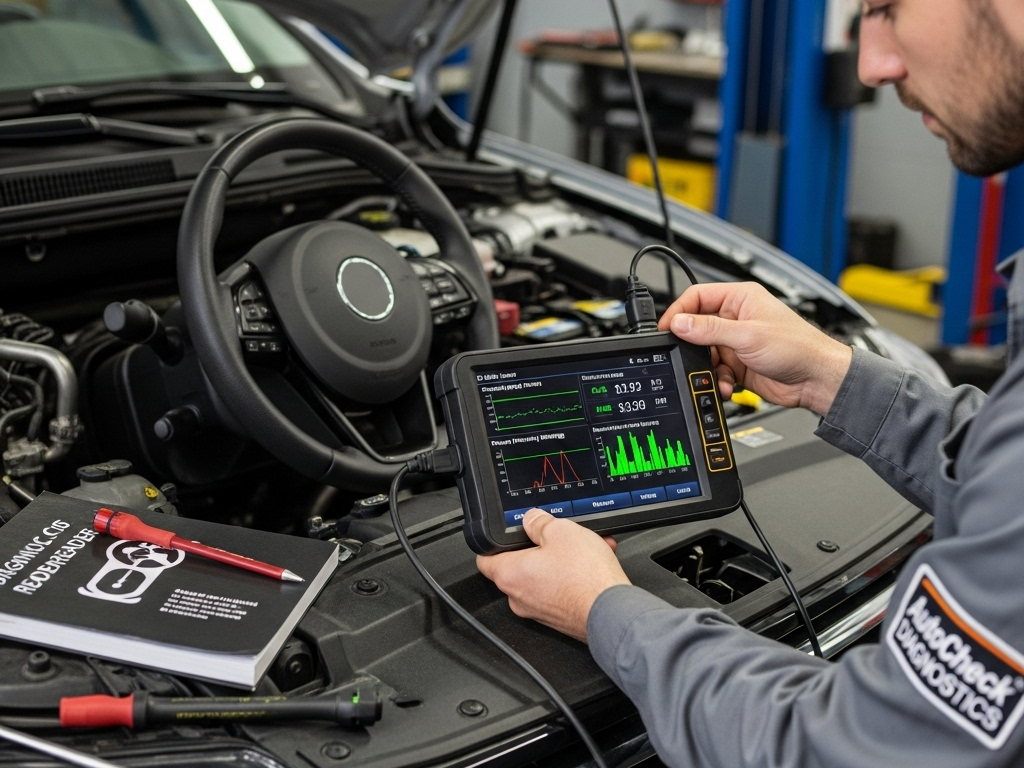
Each mounting intricacy within current autos compels a complete careful perception of diagnostic procedures, ordinarily regarding On-Board Diagnostics II (OBD2) and Tire Pressure Monitoring Equipment (TPMS). Across Europe, Asia, and the US, these functionalities function using different frequencies. OBD2 standards are largely unified globally, chiefly utilizing ISO 9141-50, KWP2000, CAN, and others, but regional uses can introduce minor discrepancies. TPMS, however, is where notable frequency variations arise. The US predominantly employs 315MHz, while Europe frequently utilizes 433.92MHz, and Asia exhibits a more uneven range including both frequencies and complementary bands. As a result, faultless diagnostic instruments must be furnished with the capability to comprehend these plentiful frequencies to help effective fixing and maintenance.
Understanding TPMS Sensor Frequencies: A Global Guide (Europe, North America, Asia)
Comprehending rubber surveying apparatus (TPMS) module bands within the sphere remains difficult. Generally, North nations largely utilize 315 MHz, though some newer vehicles utilize 433 MHz. Alternatively, Europe and most of Asia typically serve on the 433 MHz range, with some territorial variations existing markedly in select Asian lands. Therefore, central to validate the accurate transmission preceding buying TPMS readers to confirm compatibility and sidestep likely hurdles.
EV Auto Monitors: OBD2 Compatibility and TPMS Integration
Contemporary EV transport analyzers are increasingly absorbing vital functionality, particularly about both standard On-Board Diagnostics II (OBD2) compliance and Tire Pressure Monitoring System (TPMS) connectivity. Multiple EV machines utilize OBD2 ports for retrieving critical system data, empowering technicians and possessors to recognize anticipated faults. Furthermore, flawless TPMS connection provides correct tire pressure measurements, furthering to enhanced welfare and fuel conservation. This integration of OBD2 access and TPMS assistance signifies a major progress in energy-based vehicle assessment.
Tire Pressure Frequency Inequalities: The Continent vs. North American Territory vs. East Asia - A In-depth Study
Various architectures responsible for tracking tire load—TPMS—operate on discrete radio ranges, leading to notable regional distinctions. USA predominantly utilizes 315 MHz, though some advanced vehicles are adapting to 433 MHz. The Continent mandates 433.92 MHz, a defined frequency to preserve alignment across jurisdictions. East Asia exhibits a fragmented landscape, with particular areas using 315 MHz, others 433 MHz, and still additional areas employing a composite of both. This divergence presents challenges for service centers and operators when dealing with replacement TPMS devices or diagnostic apparatus, obliging careful inspection of regional criteria to avoid problems and guarantee proper operation of the TPMS.
OBD2 Scanners for Electric Autos: Tire Info Evaluation & Signal Processing
Current car analyzers are steadily developing to facilitate electrified autos, notably concerning tire information analysis. Unlike internal combustion engine engines, zero-emission cars present specialized barriers when it comes to wheel pressure system inspection. Many electric cars use alternative tire info systems frequencies requiring the monitor to faithfully identify the frequency in use. This quality empowers repairmen to simply check tyre data but also determine the exact wavelength being emitted by the tire monitoring transmitters, facilitating in correct evaluation of failures.
Europe Tire Pressure Monitoring Systems Signals: Do You Must Know?
Confronting the world of vehicle TPMS can be a obstacle, primarily due to the varying spectra utilized across the continent, Asia, and the United States. European vehicles predominantly use 433.92 MHz, while multiple Asian countries employ 315 MHz and 433.92 MHz, creating a difficult situation for service providers. In the US, both 315 MHz and 433.92 MHz are typical, with 315 MHz being more widespread. Accordingly, understanding these regional variations is required for accurately troubleshooting TPMS concerns and selecting the appropriate programming tools.
Progressing an Key Concepts: Vehicle Diagnostics, Electronically Powered Autos, in addition to Tire Monitoring Module Rate Deciphering
For skilled transport vehicle specialists, purely understanding those main points regarding car scanning, energy-powered car platforms, including tire pressure monitoring apparatus radio wave detection means certain fundamental further phase. The aforementioned themes go through primal approaches, necessitating specific implements & understanding so as to rightly spot or repair complicated complications associated with machine wheel pressure, power infrastructure functionality, plus drive unit malfunction warnings. As well, effectively identifying tire pressure monitoring device signal rates – often change for specific brands even trim levels – often critical for successful recalibration.
Electric Vehicle Diagnostics: Using OBD2 Scanners to Troubleshoot TPMS
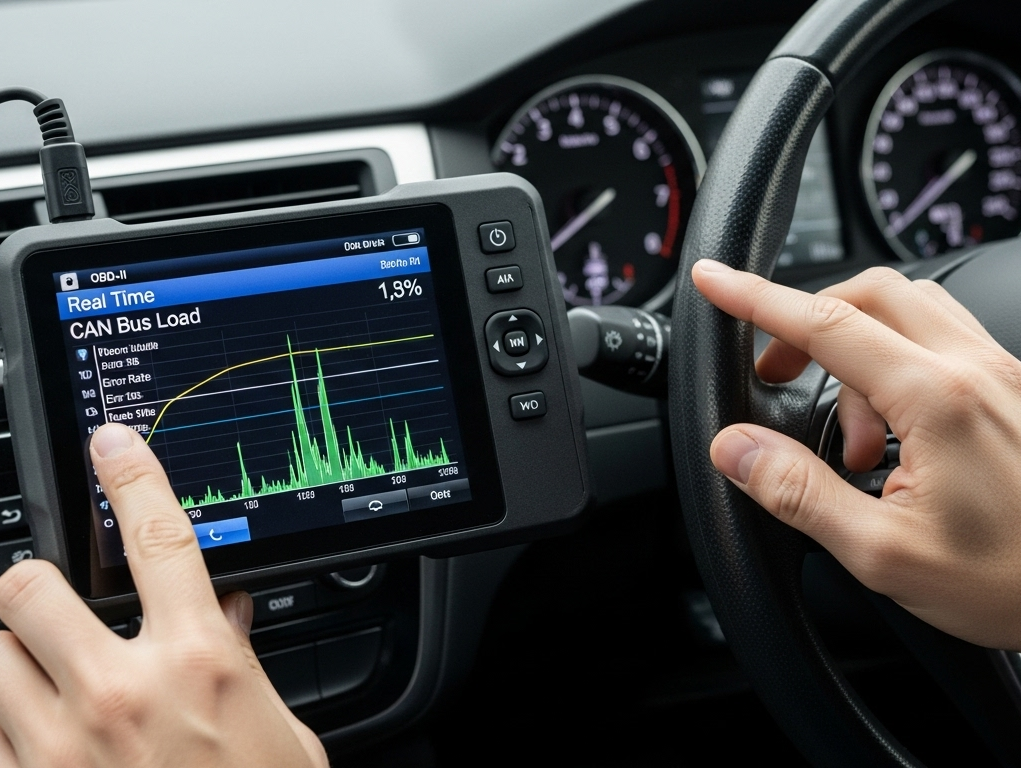
Troubleshooting Tire Pressure Monitoring Systems TPMS in electric vehicles EVs often includes more than exclusively visual inspection. Modern OBD2 analyzers offer remarkable ability to display TPMS data and detect potential problems. Utilizing these devices, technicians can monitor fault codes, survey sensor health, and even conduct sensor assessments, allowing for efficient diagnosis of TPMS malfunctions and minimizing out-of-service duration. These is especially essential given the widespread complexity of EV systems.
Interpreting Tire Pressure Monitoring Systems Waves: A Practical Tutorial for Eurozone, the East, and North America
Skillfully handling tire sensors all through European Union, the East, and North America entails a detailed proficiency of the changing signal bands they work with. Differing from a uniform system, different zones typically observes specific frequency bands. Example being Western Europe primarily utilizes 315 Megahertz and 433 million nine hundred twenty kHz, while North American Region normally operates on hundreds tpms frequency europe asia us fifteen MHz even though some late models could embrace 433.92 MHz frequency. Far East offers a broader variety outlook, with various spectral regions being employed, contingent upon the area and car brand.
- Reflect on area guidelines regarding wireless signal.
- Check your vehicle directory for exact signal.
- Apply a gauge reader capable of reading diverse signals.