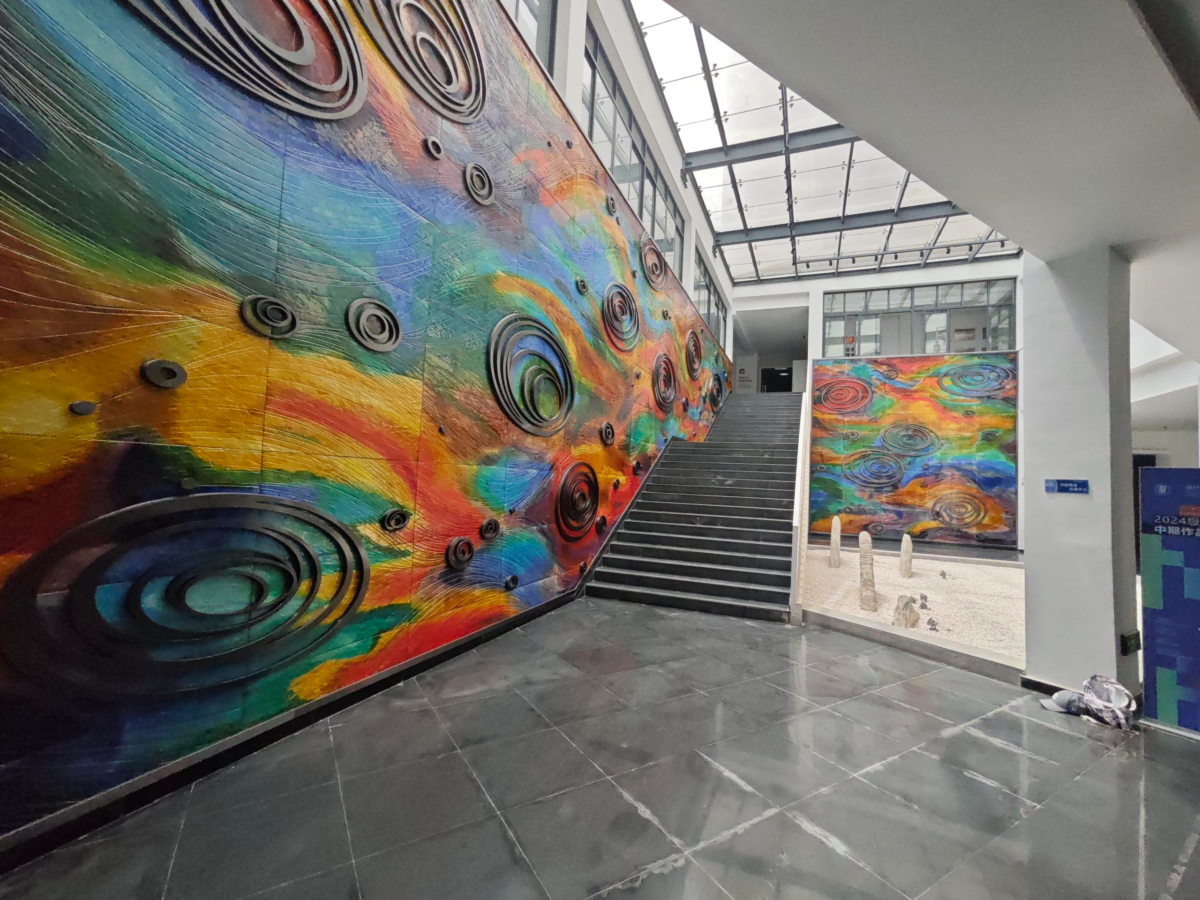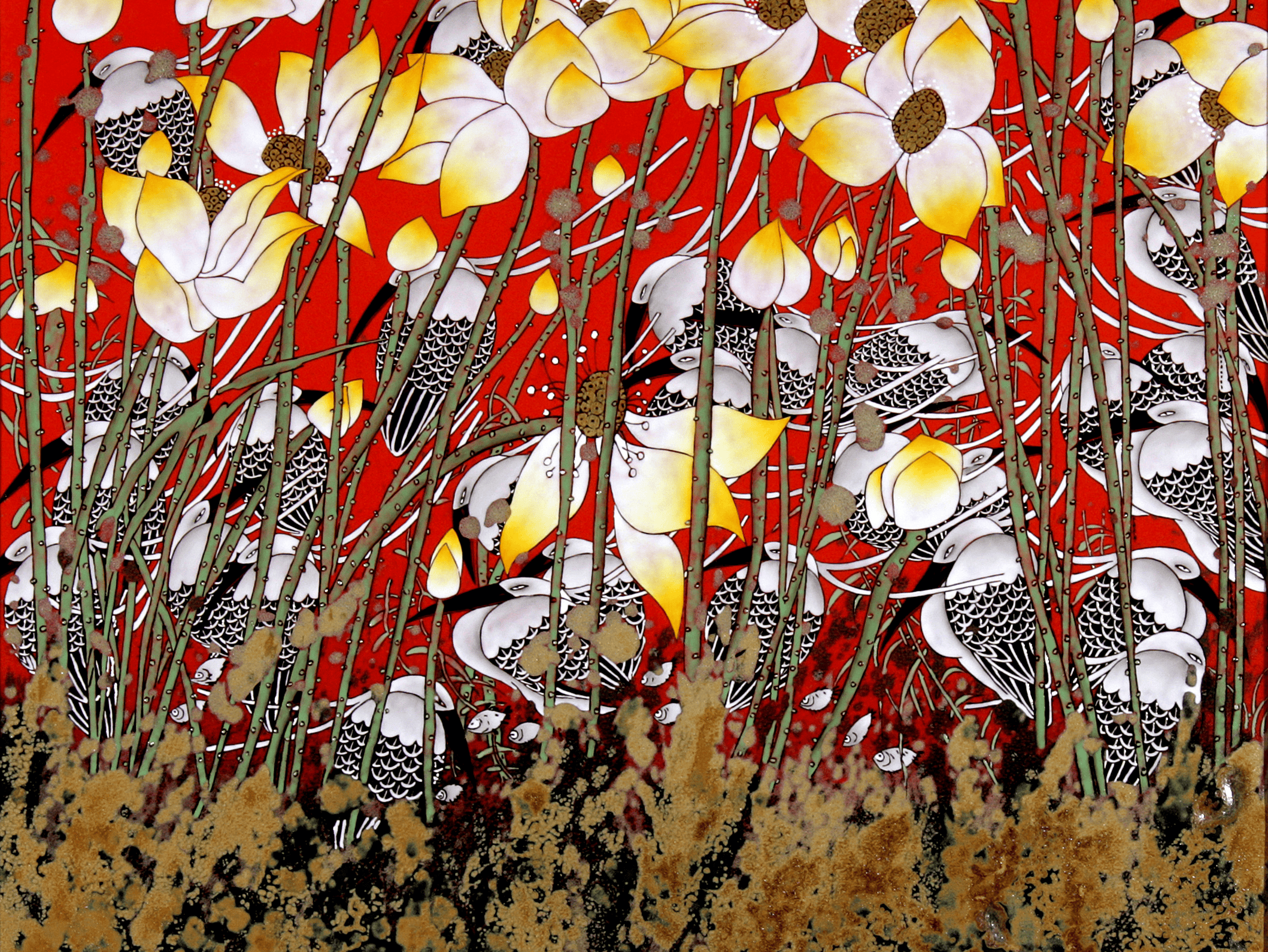
Stoneware figure expresses a notable field variety with a prolonged chronicle, traveling back thousands of ages. From ancient urns to state-of-the-art exhibitions, the matter offers unmatched possibilities for creative rendering. Designers utilize different techniques – including molding, wheel manipulating, and enhanced firing processes – to mold humble mud into captivating three-dimensional artifacts. The robustness of fired ceramic also contributes to its status as a truly significant part of human history.
Delving into Stoneware Sign Configurations and Strategies
The world of ceramic plaque design offers a wide array of artistic possibilities. Craftsmen often incorporate a fusion of heritage-based and recent techniques to fabricate visually stunning pieces. These can include from simple, etched reliefs to complex, multi-layered designs. Widely practiced methods include template molding, manual molding, glaze application – which can involve various styles like pre-firing decoration, top glaze design, and carved drawing where designs are brought out by abrading a layer of finish. Additional exploration into finishing techniques such as raku firing and lustering can produce truly one-of-a-kind and individualized pottery boards.
- Shape Forming - Fabricating pieces using a template
- Forming by hand - Manually manipulating the terracotta
- Surface Finishing - Spreading the exterior with a lustrous finish
- Etched illustration - Disclosing designs by removing covers
Enveloping Experiences: Earthenware Art Assemblies
The transforming landscape of expression presents exciting new avenues for attendees, and ceramic art installations are at the cutting edge of this movement. These aren't just static creations; they are built to envelop the guest in a sensory ambiance. Imagine stepping into a forest of towering, finished ceramic trees, or navigating a web of refined ceramic vessels. Many craftsmen are now incorporating sound, brightness, and even scent to enhance the vibe of their work. Picture the power of a room filled with hundreds of expertly ceramic works, each telling a anecdote. Commonly, such installations scrutinize themes of natural world, remembrance, and people.
- These particular installations blur the divisions between statue and structure.
- Interacting with a ceramic art installation can be a deeply affecting journey.
- Sculptors are extending the thresholds of what is possible with clay.
One Allure of the Clay Container: Application and Configuration
The terracotta urn represents a wonderful combination of utility and stylish appeal. Historically, these urns served a fundamental duty in preserving substances, but their development has transformed them into highly valued works of handiwork. Each component showcases the dexterity of the creator, demonstrating how configuration can be as crucial as operation. The precise shaping, the rare glazes, and the full presence of a expertly-built pot can transform a space, offering both allure and a modest reminder of the maker’s hand.
Latest Brick Design : Challenging Thresholds
Current porcelain design represents a fascinating transition from classic practices. Sculptors are enthusiastically experimenting with fresh techniques, dissolving the edges between design and other design disciplines. From monumental installations to delicate miniature pieces, mentioned works scrutinize themes of character while concomitantly rethinking the nature of what terracotta can become. The consequence is a active domain of expressive expression.
Clay Tablet: Safeguarding Tradition in Porcelain
Porcelain plaques offer a exceptional method for commemorating significant events and persons. Compared to traditional metal or stone markers, these hardwearing pieces of work are formed from cooked clay, creating a material link to the former times. Frequently, they feature intricate reliefs One Hundred Blooms or meticulously crafted imagery, narrating stories that might otherwise be passed over. That technique, coming from ancient cultures, provides a beautiful and durable way to honor our collective history.
- These can be established in open spaces.
- Several are now considered historical remnants.
Terracotta Art Presentations: Shifting Sites
Ceramic art installations are emerging a influential medium for builders to remodel public and private sites. These immersive pieces frequently involve significant clay sculptures that captivate viewers, reshaping their interpretation of the engineered environment. By infusing diverse methods like manual assembly and advanced firing methods, ceramic artists generate truly uncommon experiences, overlapping the boundaries between sculpture and space. The outcome is often a emotional metamorphosis that boosts the creative quality of the space and fosters debate.
Beginning Spin Tool to Marvel: The Craft of the Clay Vessel
The journey of a stoneware container from a simple lump of material to a elegant work of creation is a testament to human ingenuity. Classicall, the process commences with the potter’s lathe, where the knowledgeable artisan creates the twisting earth into a cylindrical shape. This foundational component demands finesse and a disciplined eye, followed by a delicate curing period. Once raw-fired, the jar is ready for adornment, which may embrace coloring intricate designs, fashioning detailed views, or incorporating a array of coatings. The definitive cooking process then alters the item into a durable and beautiful jar, a tangible demonstration of the artisan's creativity.
Pottery with Pottery: A Course to Brick Craft
Immersing the sector of earthenware production begins with understanding the fundamentals of modeling with stoneware. This method demands attentively incorporating and cutting volume to generate three-dimensional objects. Whether you're a learner or a proficient sculptor, engaging with multiple forms of porcelain – notably pottery – will facilitate you detect your original signature. At last, earthenware pottery is a gratifying experience that unites technical skill with creative presentation.