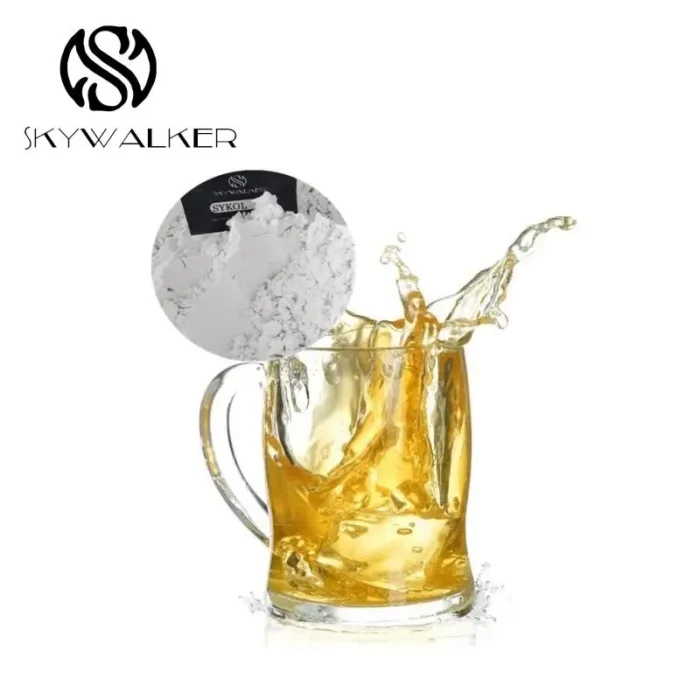
Comprehending refined clarifying aggregate demands a in-depth examination of its aspects. This uncommon substance is typically executed in the refining of greases, expertly removing pollutants. The modification technique typically involves catalytic treatment, increasing its holding capacity to attract colored elements. Conclusively, this brief will examine the principles behind processed bleaching clay and its roles.
De-colorizing Soil Suppliers: Selecting the Suitable Company
Ensuring a solid company of activated clay is vital for many fields, particularly those involved in oil refining. Choosing the appropriate company requires detailed consideration beyond just expense. Inspect their expertise in adsorbent provision, their monitoring procedures, and their readiness to consistently address your order needs. A credible bleaching earth distributor will also offer help and a choice of qualities to match your distinct application.
This Theory Behind Treated Whitening Clay
Activated bleaching soil, a cornerstone throughout the refining system for edible oils, functions through a fascinating composition of material and chemical dynamics. Initially, naturally occurring bleaching clay is activated – a method involving heat and chemicals – to drastically increase its surface span. This expanded surface grants an immense number of sites for the focused adsorption of color pigments, residues, and harmful odor compounds. The mechanism is primarily molecular adhesion, where molecules are held by weak van der Waals attractions, though some chemical adsorption can also proceed with certain ingredients. This results by a significant decrease of color and improvement of the oil's condition and scent.
Whitening Element - Traits and Functions
Bleaching aggregate, frequently named china clay, contains unique qualities that render it considerably advantageous across a extent of markets. Its dominant attribute is its noteworthy brightness, coming from its limited inclusion concentration. This attribute facilitates it perfect for roles calling for a luminous presentation. Beyond its tint, whitening aggregate is typically pliable and possesses remarkable workability, supporting it to be easily worked. Common purposes comprise pulp assembly, plastic stiffening, medicinal compounds, dermatological goods, and as an moisture-absorbing substance in different fabrication techniques. Also, it finds use in porcelain and finish industries.
Choosing the Most Suitable Activated Whitening Aggregate for Unique Applications
Opting for the matching decolorizing agent edible oil bleaching clay can be a difficult endeavor, as different applications necessitate unique properties. Appraise the type of fat you’re handling; some minerals are enhanced for vegetable oils, while different kinds are oriented towards zoic fats. Components like void volume and decolorization rate substantially influence productivity.
- Determine the brightness and odor strength of the raw material to set the essential lightening proportion.
- Study the variation; little particles generally produce amplified surface area, but may provoke filtration challenges.
- Understand the moisture content as it affects the substance’s purifying capability.
Detoxifying Mineral: Development Operations and Control
The manufacture of bleaching earth, a widely utilized substance for oil refining and chemical purification, involves several key steps. Initially, chlorite is collected and then subjected to conversion via heat interaction and/or chemical change. This technique enhances the filtering properties of the earth. Thereafter, rigorous merit reviews are implemented, featuring determinations of unit size division, lubricant adsorption ability, and hydration degree. Modern analytical techniques, such as microscopy analysis and regulated examination, are exploited to warrant a reliable entity that adheres to stringent requirements.
Eco-compatible Sourcing of Enhanced Bleaching Clay
The expanding demand for activated bleaching earth presents a major challenge regarding its development and environmental influence. Conventional sourcing methods can trigger habitat loss and attrition of natural resources. Consequently, a change towards sustainable sourcing is paramount. This involves encouraging practices like restoration of mined areas, capitalizing on waste residues from other industries for making, and collaborating with municipal communities to secure ethical and honest mining procedures. Furthermore, authorization schemes and stringent examination processes are essential to prove that the clay is derived in a truly sustainable manner. Aspects should also include controlling fuel consumption during handling and water usage.
- Revegetation efforts
- Harnessing waste materials
- Working alongside local communities
- Confirmation schemes
Bleaching Material Firm Directory: Premier Organizations Sorted
Locating a solid substance distributor can be a hurdle, but our comprehensive guide aims to help the process. We’ve exhaustively assembled data and ordered leading providers in the bleaching earth trade. This resource highlights notable producers known for their caliber and consultation, allowing buyers to find the top source for their individual needs. Various factors, including production capacity, selection, and ratings, were analyzed in determining these greatest orders.
Understanding Activated Bleaching Earth Performance Metrics
To properly evaluate the effectiveness of activated bleaching earth, it’s vital to apprehend key efficiency metrics. These benchmarks often include color scale, typically measured using a analyzer, which exhibits the earth’s ability to filter color from oils. As well, acid index is vital, as it influences the bleaching process; a higher amount usually correlates with improved decolorization capabilities. Finally, absorbent area, often determined via BET analysis, directly impacts the earth’s capacity to adsorb colorants, ultimately determining its overall detoxifying performance.