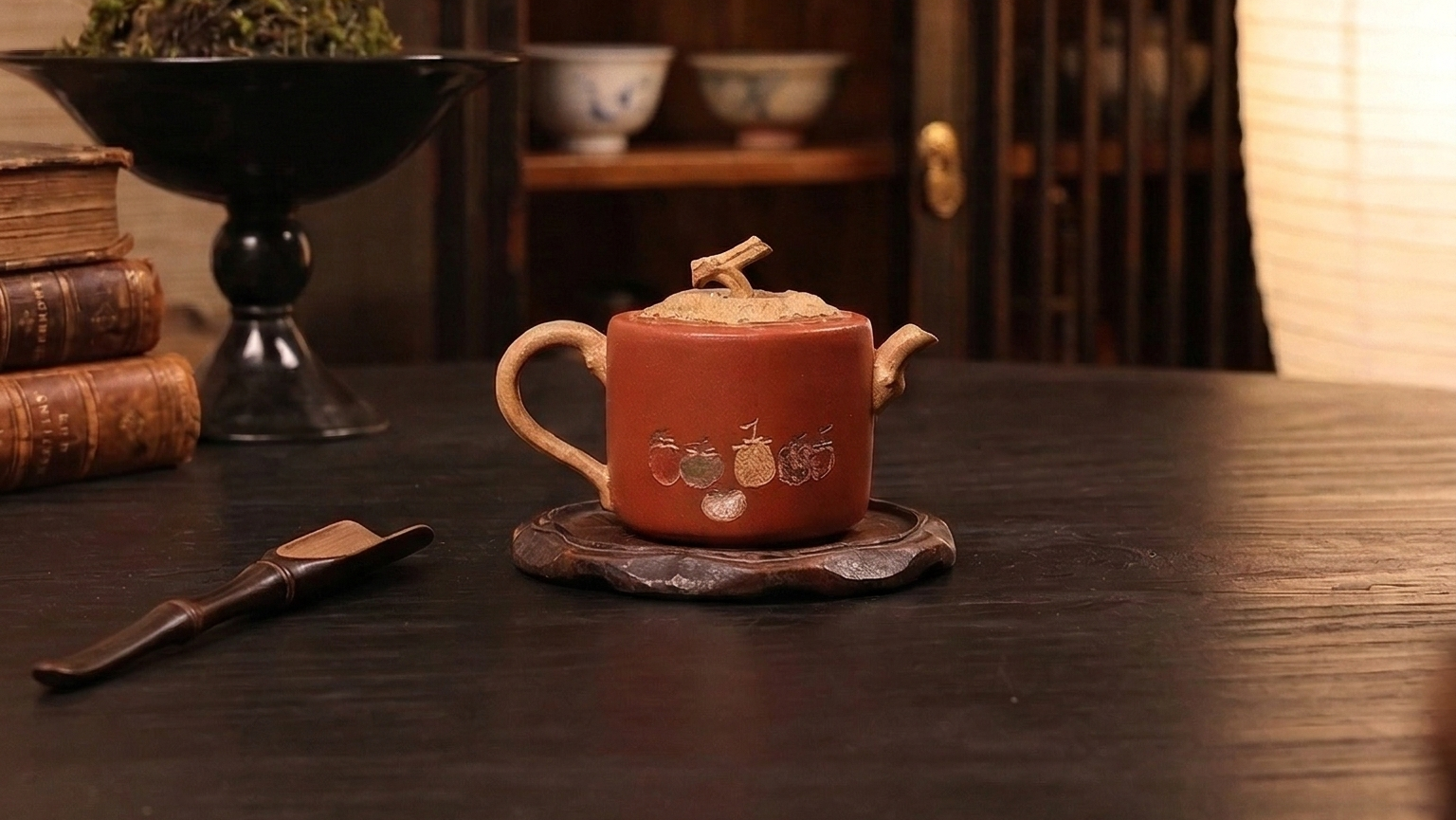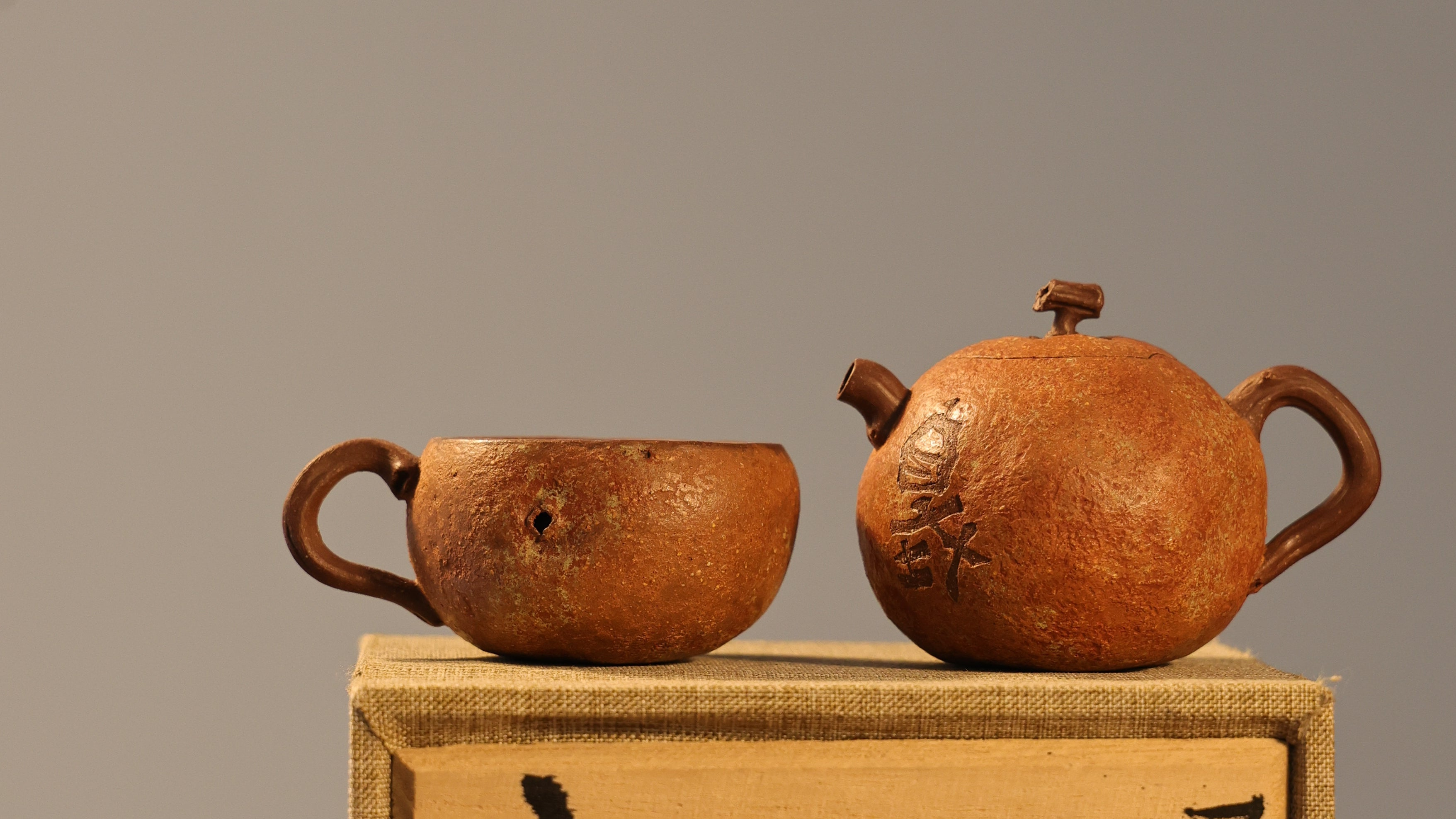
Epochs of connoisseurs have desired the singular beauty of Yixing Zisha kettles. Hailing in the quaint town of Yixing, the land, these earthenware are shaped from a peculiar and sourced purple clay renowned for its exceptional thermal elements and efficacy to intensify the bouquet of infusions. Apart from their functional appeal, Zisha teapots express a extensive artistic heritage, fashioning them greatly collectible and a genuine gem for any zealous teapot devotee.
Uncovering Yixing Ware
Such teapots embody a memorable mixture of history and craftsman craftsmanship. Founded in Yixing, Jiangsu Zone of China, their narrative traces to the Ming Dynasty, although manifestations suggest earlier expressions. The singular wine-colored clay, called Zisha, found uniquely in the Yixing region, is the vital component, contributing to the pots' remarkable heat stability and the manner they control the profile of tea. Generations of potters have improved techniques—often transmitted through families—including sculpting the clay, applying ornate embellishments, and firing the pots at deliberate temperatures.- Initially, Yixing teapots were often ornamented with simple designs.
- Afterwards, more sophisticated carvings and expressive motifs became common.
- The oven firing itself is a pivotal element, requiring extended spans of knowledge.
Gathering Zisha Teapots: Necessary Factors
Launching a quest to obtain Zisha pitchers can be fulfilling, but it’s required to understand what to identify. Authenticity is important; focus on the earth’s natural tinge, a delicate reddish-brown is characteristic. Examine the consistency; genuine Zisha has a unique tactile sensation, often characterized as slightly unequal. The form should be harmonious and consistent with established styles, while marks, if present, require meticulous examination for truthfulness. Don’t shy away to consult with knowledgeable enthusiasts or credible materials – their knowledge is precious.
Ancient Kettles: Exploring the Heritage of this Yixing Clay
Eons have seen Yixing Rare Clay teapots maintain a significant role in Chinese heritage. These finely fashioned pots, sourced distinctively from the province of Yixing, are prominent for their distinctive color, consistency, and their ability to refine the bouquet of decoctions. Scores of collectors collect antique Yixing teapots, coveting them extensively not only for their aesthetic charm, but also for the history they represent.
Yixing Zisha Teapots: Such Leading Categories and Their Qualities
Yixing Pottery teapots, sourced from the authentic locale of Yixing, this nation, are famed for their unique clay and exceptional brewing capabilities. Amidst the different Zisha types, selected types that are highly esteemed include Zhuni. Binzhou, known for its dark purple shade and polished texture, delivers a light flavor. Duan Ni species, recognizable by its auburn color and a little grainy feel, is perceived to enhance a richness. Lastly, Zhuni faction boasts an infrequent crimson tone and can offer a agreeable nuance. Each form presents a distinct experience, affording them exceptionally desirable for tea enthusiasts.
Understanding Personal Purple Clay Cup
To realize the beauty of your Yixing jar, comprehending the correct procedure is essential. These clay pitchers, celebrated for their penetrability, will slowly embrace the heart of the tea you brew within them. Begin by cleansing the vessel thoroughly with steaming water. Then, use only fine whole leaf tea, as lower quality options can spoil the teapot’s delicate flavor profile. Always enable the leaves to open completely, and remember that with each application, your Yixing vessel will become perpetually special.
Securing Your Invaluable Zisha Treasure
Proper treatment for your Zisha teapot is important to preserving its quality and value. Zisha clay, famed for its unique hue and consistency, requires considerate handling. Never use severe formulas, as Yixing Zisha Teapot these can damage the veneer. After every use, rinse the container with room temperature water and allow it to dehydrate completely.
- Sidestep soaking the kettle for extended stretches.
- Occasionally use a soft fabric to maintain the exterior.
- Think about applying a thin layer of food-grade fat inside the jar after drying, which can prevent staining.
Basics of Yixing Vessels
Yixing containers, originating from the Yixing sector in Jiangsu Province, located in China, are celebrated for their distinctive properties. Fabricated from the unique purple earth known as Zisha, these kettles are prized by potion enthusiasts worldwide. This summary will simply explain the core elements – covering sorts of Zisha composite, popular shapes, and vital care recommendations. Understanding the foundation of Yixing pitchers can enhance your appreciation for this esteemed example of Oriental craftsmanship.
Trade of Asian Teapots: Focusing on Zisha made in this city of Yixing
Zisha substance from the Yixing territory represents the pinnacle of Chinese pot design, possessing a singular fusion of unprocessed beauty and utilitarian artistry. These distinguished pieces are acclaimed for their dynamic pigments, often including strong purples and copper hues to delicate greys and muted beiges. The salient mineral composition of the typical Zisha substrate imparts a unique texture and delivers a welcoming aroma that heightens the aggregate drink experience, resulting in them strongly coveted collectibles and critical components of any serious infusion.