Within the sphere of enduring traditions,
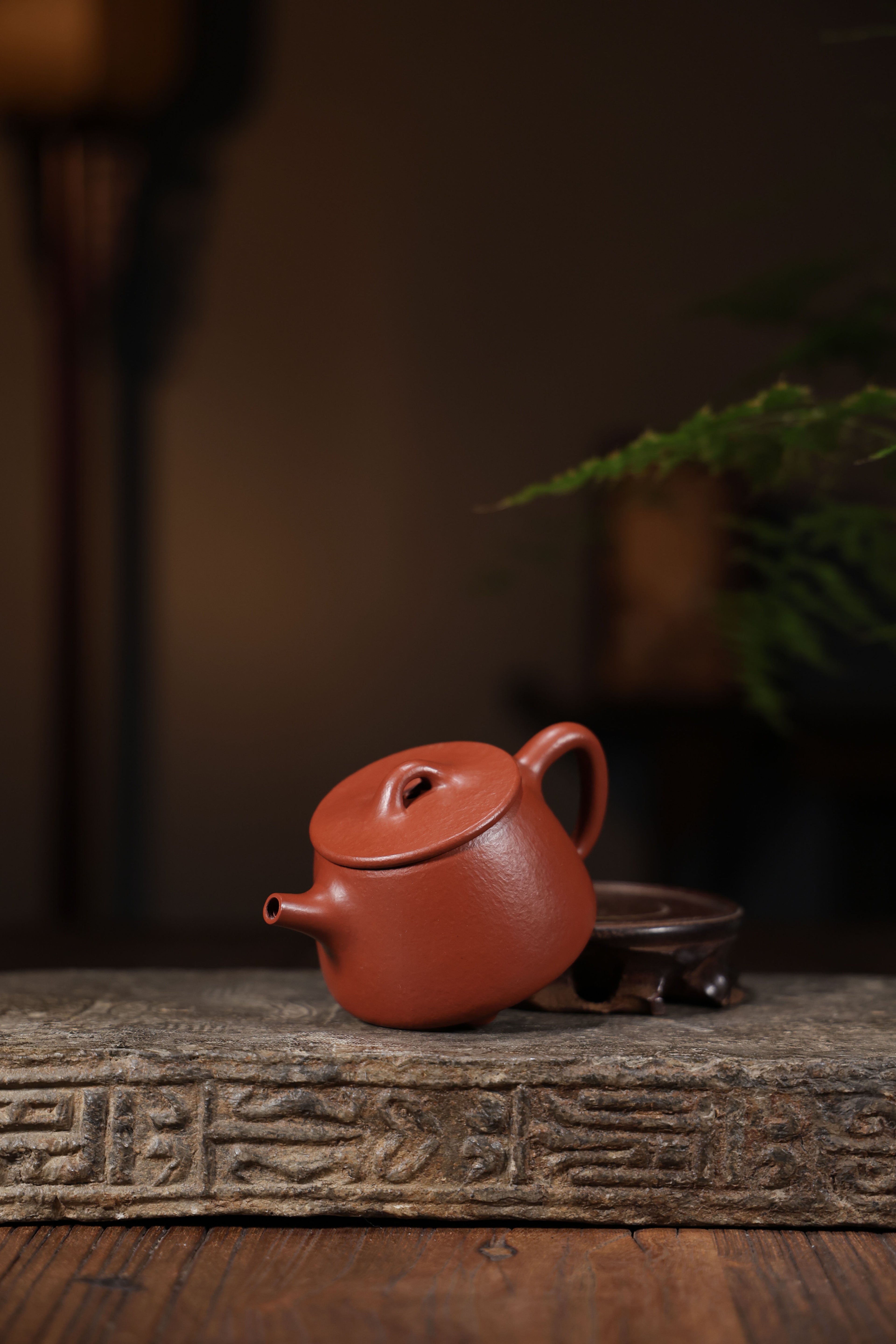
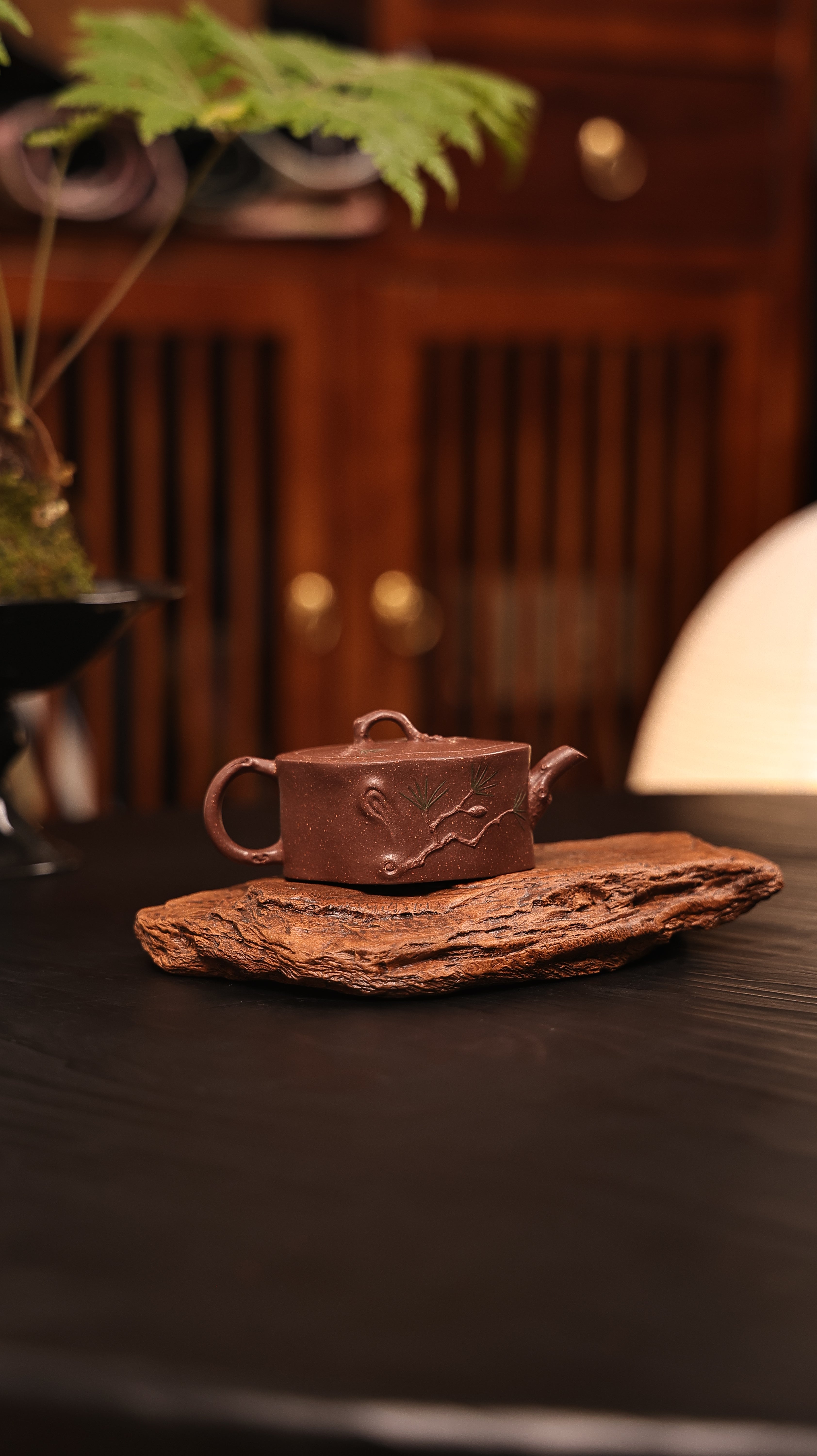
Over eras, gatherers have been mesmerized by the exceptional charm of Yixing Zisha urns. Originating from the zone of Yixing in China, these pieces are renowned for their outstanding beauty, infrequent clay, and innate ability to boost the essence of the liquor. The element's distinctive maroon hue, combined with the masterful fabrication of indigenous sculptors, creates products that are equally functional crafts and cherished holdings. Purchasing a Zisha teapot is more than just one purchase; it's accepting a rich heritage heritage.
Exploring Yixing Teapots: Background, Varieties, and Value
Yixing teapots symbolize a vast chronicle deeply intertwined with Chinese culture. Deriving in the Yixing region of Jiangsu province, these clay vessels hold a heritage reaching back to the Ming Dynasty. First examples were functional, but throughout centuries, Yixing teapot making evolved into an esteemed art form. The clay itself, known for its unique vitality and ability to raise the flavor of the tea, exists a defining factor. Yixing teapots appear in various styles, broadly categorized by shape: Typical such as Zhuni (purple clay) and Bisheng, as well as exclusive designs. The cost of a Yixing teapot depends on several factors, including the potter’s reputation, the age of Purple Clay Teapot the piece, the rarity of the clay, and its aesthetic beauty.- Heritage: Early periods
- Clay: Assorted selections
- Assessment Factors: Historical period
Zisha Pot Creation: Methods and Potters
Such creation of a true Zisha teapot is a demanding process, requiring decades of knowledge. Accomplished artisans meticulously gather the best Zisha clay, a unique earth found only in specific regions of China. Longstanding techniques, often transmitted through families, involve exact shaping, refined carving, and calm firing in ancient fireplaces. The final teapot isn't merely a holder; it's a testament to artistic vision and the serious connection between the artist and their inheritance. Each item showcases the singular touch of the artisan, resulting in a truly incomparable work of art.
Historical Teapots: Investigating the Rich Cultures of Yixing Domain
Renowned Yixing, set in Jiangsu the region, is extensively renowned for its exceptional clay pots – a tangible representation of centuries of Chinese tradition. These aren't merely vessels for processing tea; they are intricate works of craftsmanship, often reflecting ideological ideals. The unique purple clay, known as Zisha, possesses extraordinary qualities: the element dense, breathable, and imparts a subtle note to the tea.
- Multitudinous dynasties have honed the techniques of Yixing vessel making, passing down cherished methods through generations.
- Aficionados prize these pieces for their loveliness and rareness.
- Every container tells a story, connecting the enjoyer to a rich background.
Considering Yixing Zisha: Essential Tips
While evaluating collecting Yixing Zisha earthenware, a range of elements require careful consideration. At the outset, the component's complexion is significant; authentic Zisha usually exhibits a characteristic rust-colored nuance. What's more, review the execution; exacting traits and a flawless veneer manifest competent construction. Finally, research the artist’s history; celebrated names fetch greater values and often offer a more investment.
Artisan Techniques for Brewing Tea in Zisha Pots
Crafting tasty tea with a Zisha pot is more greater than a simple ritual; it's an art. Zisha clay, recognized for its unique chemical composition, imparts a soft character to the composed tea that’s often gone with other pots. The proper water temperature is fundamental; typically, reduced than what's used for black tea, to save the tea's scent and taste. Consider carefully the tea breed; delicate green teas or aged pu-erhs excel from the Zisha’s ability to smooth their natural edge. It’s imperative to prepare the teapot in advance of brewing, and to prevent over-steeping. Mastering this technique leads to a rightfully exceptional tea event.
- Comprehending Zisha Clay
- Water Temperature & Type of Brew
- Necessity of Preheating
Protecting Your The Vessel
Intending to extend the continuity of your beautiful Yixing jar, routine upkeep is decisively crucial. Never using abrasives; instead, softly bathe it with tepid water. Shun sudden variations; don't deposit the clay pot directly onto a burning burner. Periodically, strengthen the vessel by filtering it with excellent refined infusion, as this supports to develop its essence and protects the inimitable essentials of the earth.
With respect to Soil to Chalice: The Path of a Renowned Teapot
This creation of a Zisha teapot is a extraordinary method, a evidence to both the earth's bounty and the craft of the handworker. It starts with the diligent extraction of the rare clay from the reddish Zisha mines in proximity to Yixing. This prime material, known for its superior traits, is then measuredly refined and formed for the foundational forming. The teapot's contour is artfully formed using a mix of classical sculpting practices, often incorporating complex motifs. Following aging, the jug undergoes a critical first firing, succeeded by a finishing stage, which might involve a series of layers of unprocessed Zisha films. Finally, a second, and sometimes third, firing at high temperatures perfects the artifact, revealing its perfected beauty and superlative characteristics - a veritable masterpiece, primed to grace a tea ritual.
{Yixing Teapots: A Embodiment of the Civilization and Recognition
Famed Yixing teapots, originating from the prestigious Yixing region of Jiangsu province, are far more than mere ceramics for brewing infusions; they represent a weighty aspect of Chinese identity. Crafted from distinctive purple clay – zisha – these unique teapots are highly prized for their ability to enhance the flavor of the tea and, crucially, for their beauty. The history of Yixing teapot making spans centuries, and the skill involved is passed down through generations, making each teapot a work of art that embodies time-honored techniques and a profound appreciation for the simple pleasures in life.