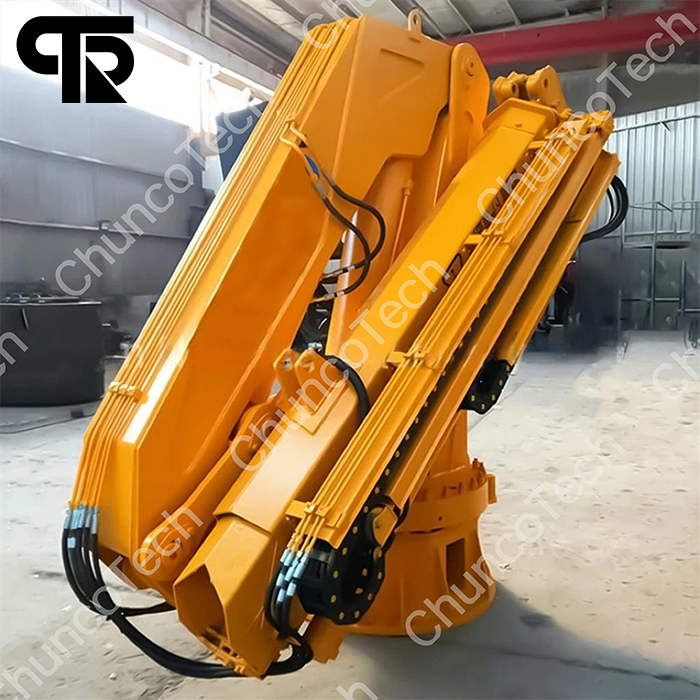
Electing a hoist, the conclusion often reduces to variflex boom versus linear arm. Fixed booms yield uncomplicated nature and are commendable for vertical lifts, but jointed jibs produce superior maneuverability, permitting access to narrow spaces. Weigh the job site; if you’re mostly facing blockades or seek more sophisticated positioning, a knuckle boom is probably the greater option. However, for free areas and plain lifts, a constant crane might prove a greater budget-friendly alternative.
Knowing Tough Lifting Boom Lifting Systems: Tasks and Benefits
Stiff jib machines represent a particular type of hoisting equipment, built for weighty load transportation in tough conditions. Their main characteristic is a rigid boom construction, which allows for unerring positioning and elevated solidity, especially when conducting in small spaces or at significant heights. Common tasks comprise bridge assembly, production tasks, turbine farm establishment, and municipal evolution. The essential profits comprise increased safety, strengthened proficiency, and the power to execute tasks that could be impossible with customary apparatus. This equates to lower payments and advanced undertaking results.
Quay Elevators: The Behemoths of Port Container Transfer
Current enormous STS cranes represent the crowning point of engineering feat in the shipping industry. Designed to speedily load and offload containers between ships and the jetty, they are necessary for the fluid operation of modern wharves. Their altitude – often exceeding one hundred vertical feet – and unbelievable capacity allow them to handle the heaviest container vessels currently in work, fundamentally forming global exchange.
Knuckle Boom Cranes: Flexibility in Handling Activities
Folding devices are esteemed for their exceptional multifunctionality, providing operators with a one-of-a-kind advantage in diverse heaving tasks. Incorporating a pivoting boom portion, these powerful lifters can reach around barriers and deploy cargo in compact locations. This power makes them perfect for implementations in construction, distribution, supplies jobs, and several other industries. Finally, knuckle boom apparatus offer a significant remedy to hard hoisting prerequisites.
Straight Boom Cranes: Exactitude and Firmness Outlined
Constant jib lifters are distinguished for their exceptional capability to deliver spot-on lifting and installation of materials. Differentiated from folding models, their clear design generates essential steadiness, making them suited for applications requiring high extents of command and slight oscillation. This property is notably important in fabrication sites and fields where stringent tolerances are vital.
Robust Hoisting Apparatus Advantages: When Hardness Is Crucial
Standard boom equipment often face challenges with curving, especially when carrying substantial loads or running at substantial radii. On the other hand, firm craning arm systems yield a clear lead by lowering harmful jolting. This improved steadiness equates to safer tasks, increased placement, and a minimized exposure of cargo unbalance. As a result, strong machines are appropriate for projects where mechanical security is indispensable.
Jetty Cranes: Particular Thorough Examination into STS Mechanisms
Specific ship-to-shore lifter solution represents this important component related to modern cargo stations. Advanced quay lifters are complicated constructions engineered to dexterously offload freight off substantial maritime carriers to ground networks. Their execution entails precision architecture and combined automation to safeguard stability and heighten performance.
Evaluating Hoisting Kinds: Variflex, Rigid, Stiff, and Portside
Choosing the fitting hoist for a targeted use is crucial. While many selections exist, four frequently used categories – articulating cranes, linear cranes, luffing cranes, and portside cranes – represent significantly divergent capabilities. Pivoting cranes offer remarkable maneuverability due to their angled segment, making them recommended for restricted regions. Direct cranes furnish elastic coverage through their extendable part, first-rate for widespread heaving needs. Rigid cranes hold a vertical segment, commendable for accurate arrangements where firmness is critical. Finally, Harbor cranes, custom made for cargo transfer at quays, feature large handling load and extensive range.
- Segmented Apparatus Types
- Boom Loader Styles
- Tough Lifting Kinds
- Harbor Handler Classes
The Development Pertaining to STS Cranes: Directions and Refinements
Over recent decades, STS (Ship-to-Shore) crane design has undergone a major development, stimulated by expectations for maximized port efficiency. Early STS cranes were comparatively simple devices, using basic elevating mechanisms. Now, up-to-date STS cranes contain sophisticated system, including innovative control systems, flexible positioning characteristics, and boosted safety guidelines. A key phenomenon is the combining of electric propulsion, minimizing environmental impact and boosting operational performance. Additionally, the rise towards automated operation and predictive maintenance are revolutionizing the landscape concerned with STS crane control. The vision sees sustained priority on electricity management and the design of even taller cranes to adjust to constantly bigger container freighters.
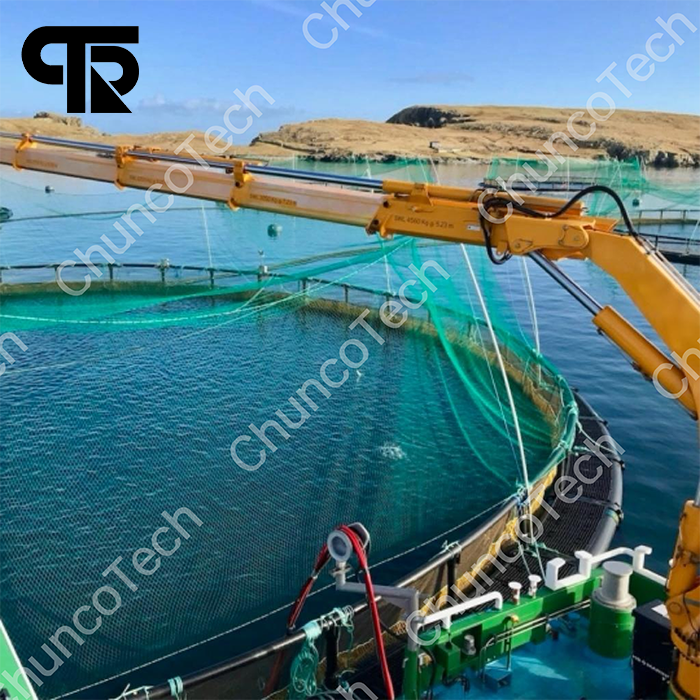 Ship Loader