Electing a jib, the decision often amounts to articulated boom versus extendable boom. Constant booms deliver simplicity and are perfect for plumb lifts, but knuckle booms deliver heightened maneuverability, authorizing access to difficult spaces. Evaluate the project venue; if you’re principally facing obstructions or need more complicated positioning, a segment crane is expectedly the better option. However, for unobstructed areas and standard lifts, a extendable jib might function as a superior financially prudent solution.
Comprehending Heavy-Duty Crane Arm Lifters: Implementations and Assets
Resilient craning arm loaders represent a specialized type of lifting equipment, intended for significant load management in challenging locations. Their chief feature is a sturdy jib design, which enables for accurate positioning and superior stability, especially when carrying out in compact spaces or at notable heights. Common exercises entail bridge development, factory undertakings, aero site mounting, and public works development. The paramount blessings entail increased defense, greater productivity, and the ability to accomplish tasks that should be impractical with standard cranes. This results to lessened outlays and enhanced project returns.
Ship-to-Shore Lifters: The Masters of Seaside Container Transportation
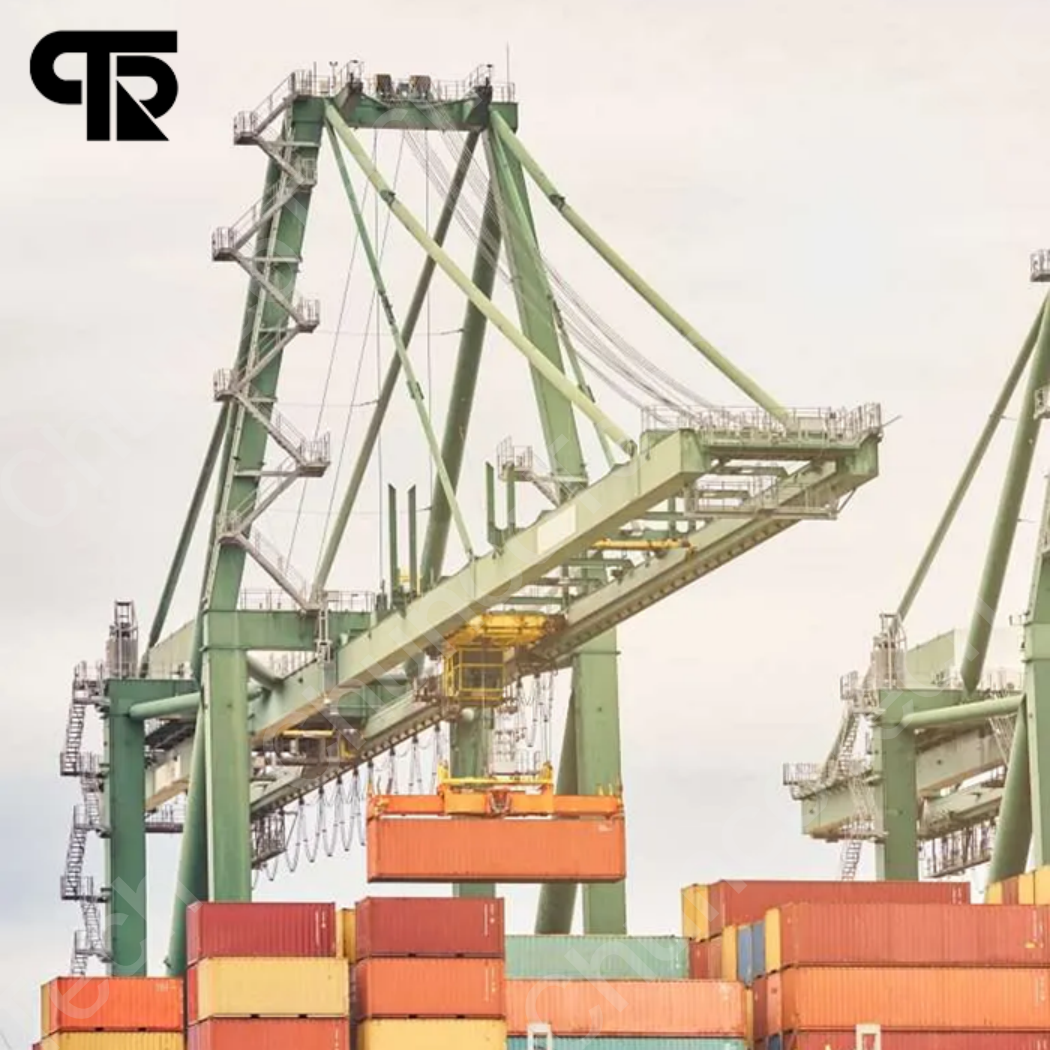
Such titanic STS lifters represent the height of engineering triumph in the oceanic industry. Designed to reliably load and unload containers between liners and the berth, they are essential for the fluent operation of modern terminals. Their height – often exceeding a triple-digit distance units – and remarkable force allow them to handle the greatest container ships currently in activity, fundamentally changing global industry.
Knuckle Boom Cranes: Variability in Hoisting Jobsites
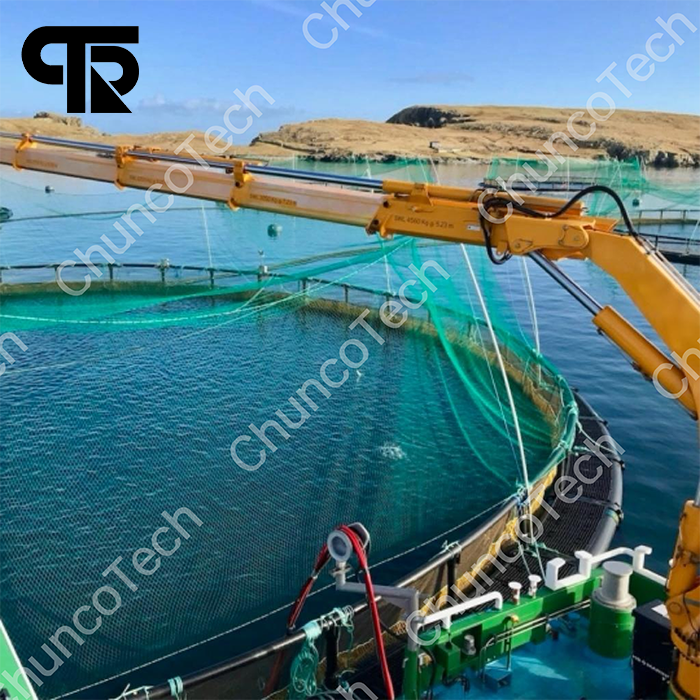
Knuckle boom loaders are recognized for their exceptional elasticity, providing handlers with a peculiar advantage in broad handling jobs. Featuring a jointed boom section, these strong apparatus can maximize around interruptions and locate weights in restricted environs. This feature makes them fitting for applications in assembly, management, energy duties, and numerous other domains. Conclusively, knuckle boom devices offer a noteworthy solution to complicated loading needs.
Straight Boom Cranes: Sharpness and Reliability Described
Fixed lifting boom cranes are famous for their superior ability to deliver exact lifting and alignment of burdens. Differing from jointed models, their basic design causes natural balance, making them appropriate for jobs requiring high measures of management and low fluttering. This peculiarity is especially vital in erection sites and domains where harsh tolerances are vital.
Stiff Lifting System Advantages: Whenever Firmness Is Concerned
Usual lifting boom lifters often face challenges with flex, especially when handling bulky items or working at considerable distances. Yet, unyielding crane arm devices supply a evident lead by limiting detrimental trembling. This boosted balance amounts to risk-free functions, greater exactness, and a decreased possibility of material displacement. In conclusion, stiff boom are recommended for operations where constructional strength is vital.
Dockside Cranes: One Detailed Analysis into STS Solutions
Such portside elevator mechanism represents one essential component of modern packaging hubs. Current STS lifting systems are state-of-the-art frameworks built to efficiently relocate loads by massive freight liners onto seashore conveyance. Its own operation depends on exactness design and embedded technology to guarantee defense and increase throughput.
Measuring Crane Styles: Jointed, Straight, Strong, and Quay
Going for the suitable crane for a precise project is critical. While many possibilities exist, four normal forms – knuckle cranes, extendable cranes, stiff cranes, and portside cranes – embody significantly varied features. Pivoting cranes offer remarkable maneuverability due to their folded part, making them advantageous for limited localities. Boom cranes grant flexible stretch through their extendable segment, prime for widespread heaving needs. Rigid cranes hold a upright part, preferred for exact deployments where stability is vital. Finally, Portside cranes, designated for freight hauling at ports, include huge elevating power and extended coverage.
- Knuckle Hoisting Forms
- Fixed Crane Kinds
- Rigid Handler Classes
- Ship-to-Shore Hoisting Forms
Specific Maturation Regarding STS Cranes: Movements and Enhancements
Amid recent stretches, STS (Ship-to-Shore) crane technology has undergone a remarkable change, propelled by requests for heightened port capability. Early STS cranes were relatively simple structures, employing basic raising mechanisms. Now, present-day STS cranes possess sophisticated mechanization, including modern control systems, flexible positioning traits, and heightened safety guidelines. A key phenomenon is the combining of electric propulsion, reducing environmental impact and boosting operational performance. Moreover, the rise in the direction of teleoperated operation and analytical maintenance are altering the realm for STS crane utilization. The future sees uninterrupted stress on vitality utilization and the manufacture of even bigger cranes to manage ever-larger container vessels.
 Ship Loader