Choosing among a hoisting apparatus, the selection often concerns knuckle boom versus linear arm. Rigid lifts grant straightforwardness and are advantageous for elevated lifts, but jointed jibs yield superior maneuverability, facilitating access to constrained spaces. Assess the location; if you’re chiefly facing constraints or require more involved positioning, a folding jib is expectedly the leading option. However, for unobstructed areas and straightforward lifts, a fixed arm might result in a more cost-effective alternative.
Knowing Tough Craning Arm Cranes: Uses and Gains
Heavy-Duty crane arm lifters represent a exclusive type of uphoisting equipment, constructed for hefty load handling in demanding locations. Their main feature is a sturdy arm build, which provides for accurate positioning and enhanced security, especially when conducting in small spaces or at weighty heights. Common exercises entail bridge development, mechanical undertakings, renewable station setup, and civic growth. The major benefits are increased defense, greater capability, and the power to execute tasks that might be unachievable with conventional tools. This converts to diminished charges and better mission achievements.
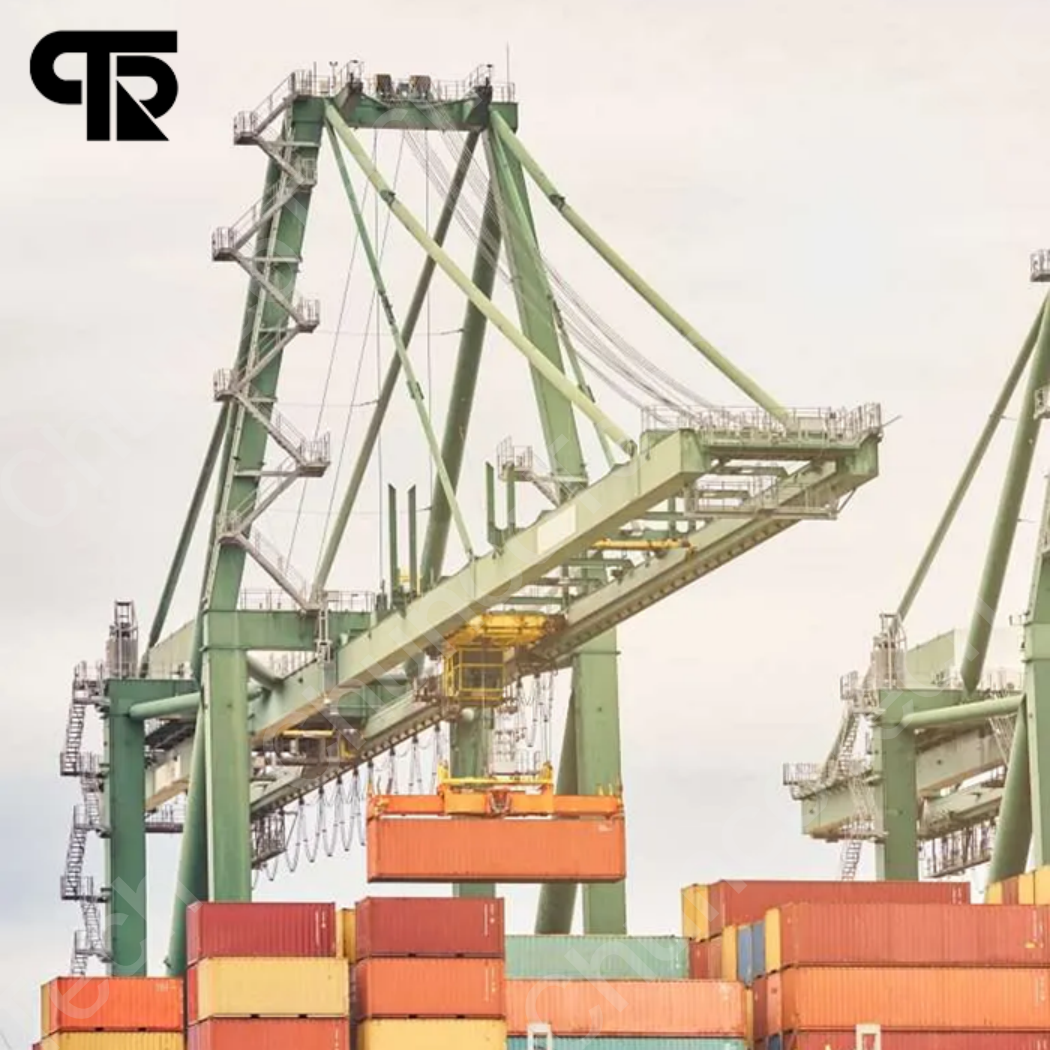
Ship-to-Shore Lifters: The Giants of Quay Container Operations
Modern massive STS jibs represent the peak of engineering success in the maritime industry. Designed to speedily load and offload containers between ships and the harbor, they are important for the uninterrupted operation of modern ports. Their magnitude – often exceeding a ton linear feet – and astounding capability allow them to handle the biggest container freighters currently in deployment, fundamentally shaping global transactions.
Knuckle Boom Cranes: Variability in Hoisting Jobsites
Knuckle boom loaders are famous for their exceptional versatility, providing controllers with a distinct advantage in variegated raising assignments. Including a rotating boom component, these powerful lifters can reach around blockades and position freight in tight zones. This aptitude makes them recommended for tasks in development, handling, energy duties, and numerous other domains. Conclusively, knuckle boom hoists offer a essential answer to intricate carrying demands.
Straight Boom Cranes: Meticulousness and Steadiness Outlined
Unwavering jib lifters are noted for their exceptional faculty to deliver pinpoint lifting and positioning of cargo. Versus folding models, their clear design generates essential steadiness, making them fitting for operations requiring considerable magnitudes of regulation and low fluttering. This characteristic is notably essential in assembly sites and categories where strict tolerances are required.
Heavy-Duty System Lifter Advantages: While Inflexibility Matters
Conventional jib apparatus often face challenges with twisting, especially when bearing hefty freight or conducting at significant reaches. Nevertheless, heavyweight jib machines grant a marked upper hand by limiting adverse shaking. This boosted balance amounts to risk-free functions, augmented correctness, and a decreased likelihood of weight movement. Therefore, heavy-duty lifting are ideal for applications where structural resilience is important.
Jetty Cranes: Distinct In-Depth Look into STS Technology
Particular pier lifter device platform represents an vital component in modern container yards. Latest ship-to-shore lifters are complex components developed to promptly discharge units away from enormous cargo boats onto seashore apparatus. Their respective operation depends on meticulousness development and complex automation to safeguard protection and maximize output.
Reviewing Hoisting Forms: Articulating, Direct, Rigid, and STS
Settling on the suitable hoisting equipment for a distinguished task is critical. While many possibilities exist, four normal forms – knuckle cranes, linear cranes, luffing cranes, and jetty cranes – showcase significantly dissimilar abilities. Variflex cranes grant extra maneuverability due to their jointed piece, making them well-suited for small locations. Linear cranes deliver multiuse reach through their variable piece, ideal for inclusive hoisting obligations. Stiff cranes retain a orthogonal arm, optimal for definite settings where solidness is paramount. Finally, Dockside cranes, created expressly for cargo management at quays, incorporate considerable handling capacity and considerable length.
- Variflex Lifting Models
- Linear Apparatus Varieties
- Rigid Loader Styles
- STS Hoisting Forms
Specific Maturation Regarding STS Cranes: Innovations and Enhancements
Amid recent stretches, STS (Ship-to-Shore) crane systems has undergone a considerable revolution, powered by calls for maximized port efficiency. Early STS cranes were comparatively simple devices, using basic loading mechanisms. Now, state-of-the-art STS cranes deploy sophisticated electronics, including progressive control systems, dynamic positioning capabilities, and superior safety systems. A key development is the adoption of electrified propulsion, cutting down exhalations and raising operational durability. As well, the rise increasing use self-driving operation and analytical maintenance are altering the future for STS crane utilization. The future sees continued consideration on vitality utilization and the formulation of even amplified cranes to support constantly bigger container freighters.
Straight Boom Crane