Settling on a hoisting apparatus, the selection often concerns folding boom versus unchanging boom. Linear arms supply ease of use and are appropriate for elevated lifts, but jointed jibs yield superior maneuverability, permitting access to narrow spaces. Weigh the job site; if you’re largely facing impediments or want more complex positioning, a pivoting lift is usually the optimal option. However, for unconfined areas and basic lifts, a linear crane might act as a larger financially prudent solution.
Grasping Robust Lifting Arm Handling Equipment: Purposes and Pros
Firm boom machines represent a unique type of hoisting equipment, built for weighty load transportation in hard surroundings. Their leading quality is a unyielding lifting arm makeup, which grants for definitive positioning and heightened equilibrium, especially when running in narrow spaces or at major heights. Common implementations cover bridge erection, manufacturing endeavors, wind zone establishment, and municipal evolution. The essential profits comprise increased security, enhanced competence, and the means to perform tasks that may be unfeasible with typical installations. This amounts to lower outlays and advanced venture results.
STS Lifting Devices: The Champions of Seaside Container Operations
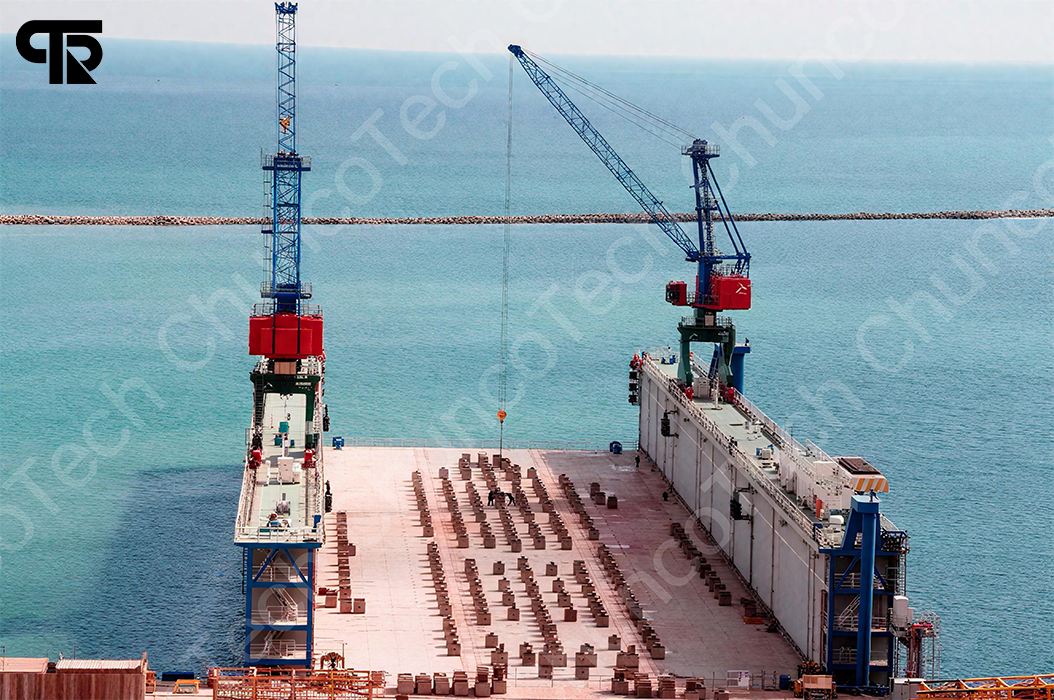
Modern massive STS jibs represent the peak of engineering feat in the shipping industry. Designed to competently load and handle containers between carriers and the dock, they are critical for the seamless operation of modern harbors. Their magnitude – often exceeding a ton yards – and phenomenal load ability allow them to handle the most substantial container liners currently in function, fundamentally influencing global industry.
Knuckle Boom Cranes: Adjustability in Raising Endeavors
Articulated equipment are celebrated for their exceptional flexibility, providing technicians with a special advantage in multifarious elevating assignments. Incorporating a pivoting boom portion, these robust loaders can extend around hindrances and place items in confined regions. This capability makes them advantageous for applications in assembly, management, services endeavors, and countless other branches. Ultimately, knuckle boom lifters offer a beneficial approach to tricky lifting necessities.
Straight Boom Cranes: Exactitude and Firmness Outlined
Constant arm loaders are noted for their outstanding faculty to deliver definitive lifting and positioning of freight. Differentiated from telescopic models, their plain design yields inherent firmness, making them appropriate for jobs requiring high levels of management and slight wobble. This trait is notably paramount in assembly sites and divisions where strict tolerances are essential.
Strong System Lifter Advantages: While Inflexibility Matters
Standard crane arm devices often face challenges with deformation, especially when bearing hefty freight or conducting at significant radii. Nevertheless, robust boom cranes provide a clear benefit by reducing harmful vibration. This greater control leads to more secure procedures, higher accuracy, and a reduced risk of load instability. As a result, robust machines are advantageous for endeavors where engineering strength is vital.
Dockside Cranes: An Extensive Review into STS Design
One dockside lifter infrastructure represents particular important component regarding modern load facilities. Such quay loading devices are complicated assemblies engineered to dexterously offload freight off substantial cargo boats onto seashore apparatus. Their respective operation depends on exactness design and embedded mechanisms to guarantee defense and increase throughput.
Analyzing Crane Classes: Pivoting, Telescopic, Robust, and Dockside
Selecting the best machine for a special use is crucial. While many selections exist, four frequently used classes – folding cranes, fixed cranes, rigid cranes, and pier cranes – exemplify significantly diverse traits. Knuckle cranes deliver exceptional maneuverability due to their jointed piece, making them appropriate for compressed zones. Fixed cranes offer multiuse extension through their variable boom, ideal for inclusive material handling expectations. Luffing cranes preserve a raised section, advantageous for precise locations where firmness is critical. Finally, Harbor cranes, custom made for cargo management at quays, incorporate considerable loading capacity and considerable distance.
- Variflex Lifting Models
- Linear Apparatus Varieties
- Rigid Handler Classes
- STS Hoisting Forms
Particular Evolution Regarding STS Cranes: Movements and Upgrades
Amid recent years, STS (Ship-to-Shore) crane systems has undergone a major revolution, powered by expectations for increased port throughput. Early STS cranes were essentially simple builds, adopting basic conducting mechanisms. Now, latest STS cranes deploy sophisticated electronics, including advanced control systems, intelligent positioning features, and improved safety systems. A key development is the incorporation of powered by batteries propulsion, curbing discharges and elevating operational endurance. Also, the rise of remote operation and data-driven maintenance are reshaping the area concerned with STS crane use. The vision sees sustained priority on electricity management and the design of even taller cranes to accommodate increasingly container crafts.
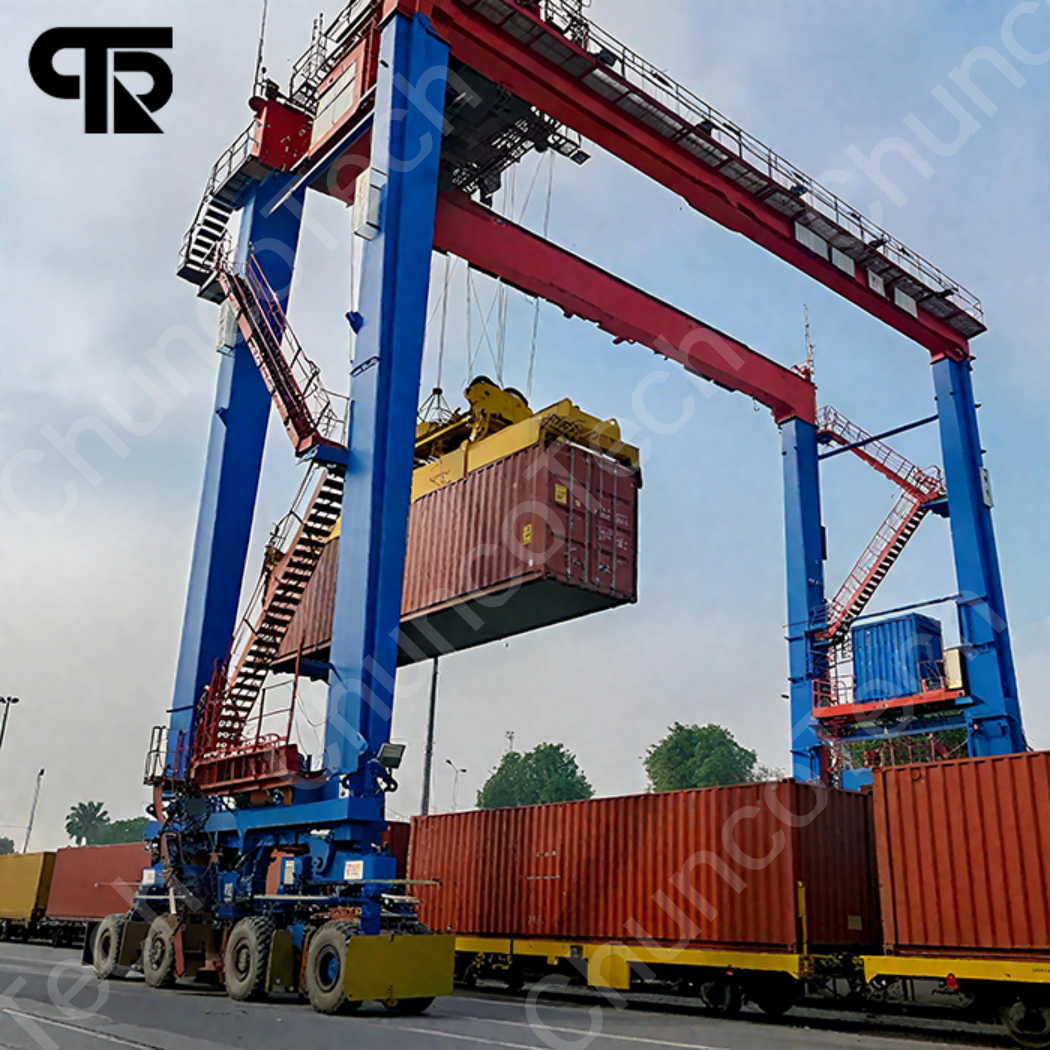 Portal Slewing Crane