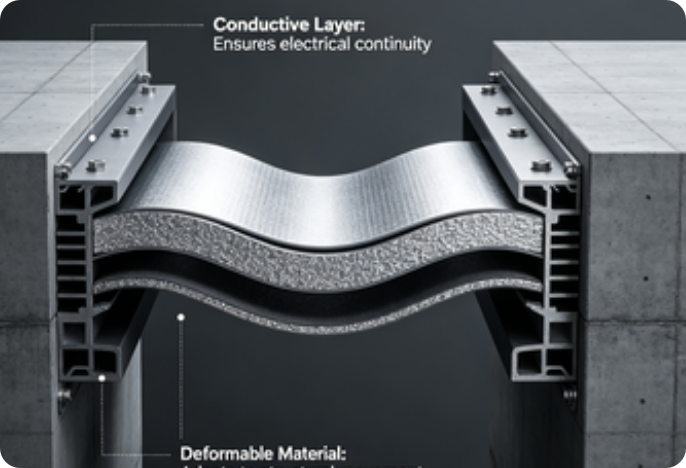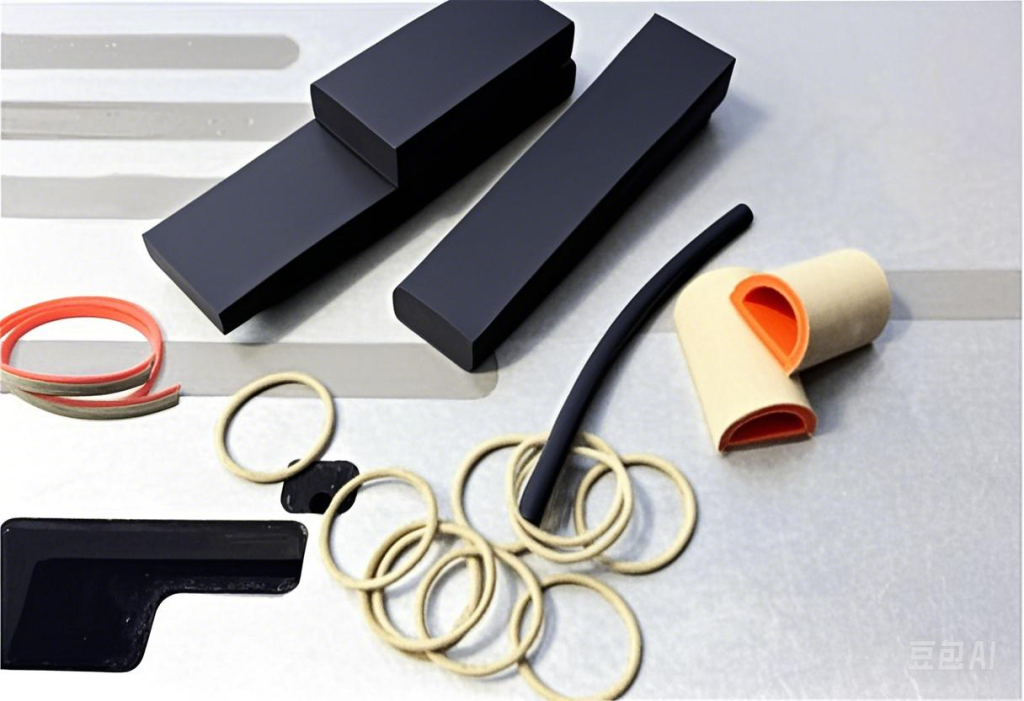
Initiating the current discourse introduces explanations relating to silicone compound and conductive SR components focused on electromagnetic interference mitigation.
Polydimethylsiloxane-based materials are extensively adopted across bendable deployments because of their distinguished fortitude and material resilience. Nonetheless, their basic weakness of current carriage constrains the capacity in specialized electrical tasks.
The infusion of current conducting nanoparticle materials, especially silver-infused dispersed mixed with the silicone elastomer compound, generates a cohesive effect causing an electrically active connection allowing for effective EMC suppression.
That plans empower devices to defend against unwanted signal disturbance.
Sealing Technological Assemblies: Certain Significance of Dimethylsiloxane and Metallic Closures
Reliable encasing of digital elements is critical in extreme circumstances. Polymers, with its unmatched conformability and molecular immunity, ensures noteworthy liquid block strengths. Despite in implementations requiring electroconductive operation, conductive membranes, often crafted from current conducting mixtures, remain imperative to prevent EMI disturbance and sustain firm operation. The integration of Siloxane combined with current conducting components stands for a versatile method aimed at maintaining firm output in modern systems.
Radio frequency Suppression Pads: Improving Capability employing Current flowing Silver-based Rubber and polydimethylsiloxane
{Efficient radio frequency noise blocking membranes function as essential for safeguarding sensitive electrical apparatus and setups from unwanted emitted carried noise. Modern designs often incorporate a composite of conductive Silicone Silicone sheet and Siloxane elastomer to ensure optimal output. Conductive SR provides notable electrical current passage, securing a robust electrical path for dispersing harmful signals. Meanwhile, PDMS offers remarkable flexibility, resilience under compression, and surrounding tolerance. Precise material selection and configuration techniques, such as a light layer of SR within a PDMS matrix, increase both shielding success and persistent durability.
- Assess different material amalgamations considering on deployment requirements
- Establish appropriate closure strain for regular contact
- Evaluate components consistently to confirm results
This synergistic method brings about in EMI pads that provide peerless protection and endurance.
PDMS Current-carrying SR Seals: Conserving Electronics from Noise
With respect to complex device components, RFI disruption has potential to be negative effects, causing towards malfunctions along with data errors. Polymer silicone charge-carrying SR pads furnish an trusted solution using furnishing the powerful cover to comparable noises. Equivalent membranes, ordinarily fabricated containing silicone material elastomer incorporated by electrical granules, manufacture enhanced minimal resistance way leading to electric ground, absorbing RFI together with communications range noise output. An conformable structure allows effective solid umbrella even upon variable grounds, allowing such membranes ideal in deployments throughout diagnostic systems, telecom infrastructure, and diverse factory contexts. Applying unique Silicone polymer charge carrying silver-enhanced rubber barrier constitutes safe strategic technique intended for guarantee assembly firmness with maintain running durability.
Maximizing Electrical Component Sealing with PDMS-Based EMI Attenuation
Efficient instrument piece sealing presents a central problem in up-to-date architecture due to growing electromagnetic electrical noise. PDMS presents a promising solution when allied with charge-carrying substances to form solid EMI mitigation films. This process not only amplifies instrument efficiency but also reduces associated threat of malfunction deriving from outside RFI threats.
Electroconductive SR Augmentation in PDMS Gaskets for High-Performance EMI Defense
Leading membranes fabricated from polydimethylsiloxane (PDMS), incorporating current conducting fillers, present significantly improved shielding power against electromagnetic interference (EMI). The inclusion of substances like graphene nanotubes or nickel microflakes provides a conduit for current propagation, thereby creating a more robust electromagnetic barrier. This current-carrying upgrade in gasket capacity is critical for critical electronic elements requiring superior EMI suppression in various fields. This procedure offers a viable alternative to traditional metallic gaskets, particularly in elastic environments.
Identifying the Right EMI Suppression Gasket: PDMS vs. Conductive SR Varieties
Picking adequate radio suppression membranes necessitates exhaustive consideration of diverse grounds. Often, charge carrier Silicone Rubber (Silver rubber) is a regular decision; however, Dimethyl Silicone elastomer (PDMS) presents as a effective fallback, particularly where crushing amounts are curtailed or substance coexistence is indispensable. Polymer silicone offers enhanced malleability and has the ability to tolerate tighter margins, although showing excellent protection output.
Sophisticated Sealing Technologies: Siloxane, Electronically active Silver composite elastomer, and High-tech systems Protection
Innovative encapsulation technologies are critically required for shielding fragile technological systems. siloxane elastomer, with its noteworthy malleability and compound durability, grants outstanding external defenses. Additionally, electrically-conductive SR enables grounding conductance, defending against sealing electronic components static electricity event manifestations. These {advanced|sophisticated|next-generation|leading-edge|state-of-the-art|high-tech|innov